A Food Lover’s Guide to Pie Cafe Colorado Springs

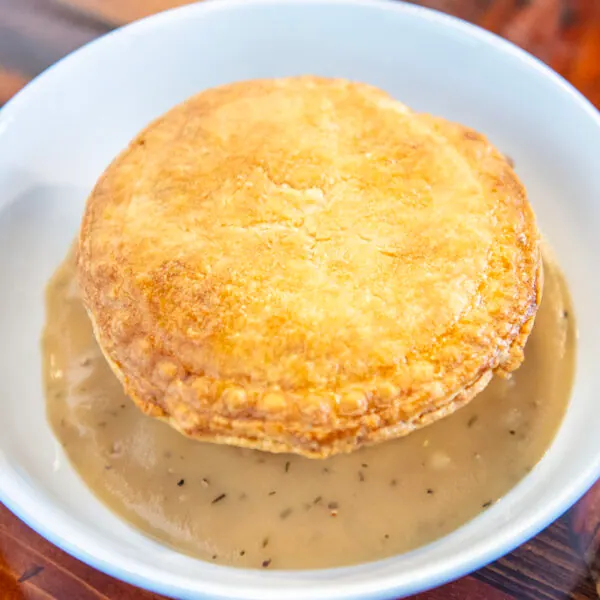
Colorado Springs has never lacked for scenic views, but good food is what turns a pleasant day into one you remember. That is especially true when the meal centers on pie. Not the narrow, holiday-only idea of pie, either. A strong pie cafe can move comfortably between savory lunch slices, fruit-filled dessert wedges, rich cream pies, quiche, coffee, and the kind of casual hospitality that makes people linger longer than they planned. That is the appeal behind pie cafe colorado springs as a search term, and it is also why so many diners approach a pie-focused cafe with high expectations.
A place built around pie has to get a surprising number of details right. Crust cannot be an afterthought. Fillings need balance, not just sweetness or heft. The coffee has to stand up to butter and sugar. Savory options should feel intentional rather than like a side project tacked onto a dessert business. When a cafe manages all that, it becomes more than a bakery case and a few tables. It becomes part comfort stop, part lunch destination, part ritual.
For anyone planning a visit, or simply trying to understand what makes a pie-centered cafe worth seeking out in Colorado Springs, it helps to know what separates the memorable spots from the forgettable ones.
What makes a pie cafe worth the trip
The first thing serious pie lovers notice is the crust. People talk a lot about fillings because they are easier to describe, but crust is where skill shows. A good crust should taste like something on its own, not just serve as an edible container. It should be tender without collapsing, flaky without shattering into dry dust, and browned enough to bring a faint nuttiness. In savory pies, that structure matters even more because the filling tends to be heavier and warmer.
Texture is the next tell. The best cafes understand contrast. Fruit pies need a filling that holds together but still tastes like fruit rather than syrup. Cream pies should feel lush but not gluey. Savory pies should have enough richness to satisfy while still letting herbs, vegetables, cheese, or meat remain distinct. If everything lands in the same soft, one-note texture, the pie may be filling, but it will not be memorable.
Then there is pacing. A strong pie cafe knows when to keep things simple. One of the most common mistakes in dessert-focused kitchens is overbuilding. Too much sugar, too many toppings, too much cinnamon, too much whipped cream. The best slices often read as restrained https://troyholt731.slatecurrent.com/posts/pie-cafe-colorado-springs-the-go-to-place-for-pie-cravings at first glance. Once you take a bite, that restraint is exactly what lets the butter, fruit, spice, and salt come through in proportion.
Why pie works so well in Colorado Springs
Colorado Springs has the kind of dining rhythm that suits pie unusually well. People head out after a morning hike, meet for coffee in the afternoon, or want something comforting when the weather turns cold. Pie fits each of those moments. A savory slice can feel like a proper lunch without the formality of a sit-down entree. A dessert slice works for an afternoon break that feels a little indulgent but still familiar. Coffee and pie also suit the city’s pace. They invite conversation rather than rushing.
There is another reason pie resonates here. Colorado diners tend to appreciate foods that feel handmade and direct. Pie speaks that language. It can be rustic without being sloppy, nostalgic without being stale, and polished without becoming precious. In a city that balances outdoor energy with neighborhood comfort, a cafe built around pie has a natural lane.
That helps explain the steady interest in pie cafe colorado springs among both locals and visitors. Travelers often want something more specific than a generic coffee shop and less heavy than a full restaurant meal. A pie cafe can hit that sweet spot, especially if it serves both savory and sweet selections well.
The savory side deserves more attention
Dessert gets the headlines, but experienced diners know savory pies are often where a cafe proves itself. Sweet pies can lean on sugar for forgiveness. Savory pies have nowhere to hide. If the seasoning is flat or the crust turns soggy, you know immediately.
At a good pie cafe, savory choices might include quiche, pot pie, hand pies, or other pastry-wrapped fillings that function as lunch rather than snack. The appeal is not only comfort, though comfort matters. It is the way pastry transforms everyday ingredients. Chicken, vegetables, cheese, mushrooms, greens, roasted meats, and herbs all taste different when enclosed in a proper crust. The filling stays moist, the top stays crisp, and each bite gives you something soft and something structured at once.
For lunch, savory pie also solves a common cafe problem. Sandwiches can feel repetitive. Salads can leave you wanting more. Soup is nice, but it rarely carries a meal on its own unless paired with something else. Savory pie feels complete. Add coffee, tea, or a simple side and you have something satisfying without the drag of a heavier restaurant lunch.
The trade-off is that savory pie has a narrower margin for error. A filling that sits too long can thicken past the ideal point. A crust can lose definition under steam. Reheating has to be done carefully so the bottom revives instead of turning leathery. When a pie cafe handles those details properly, food lovers notice.
How to judge a slice like a regular
Even on a first visit, you can tell a lot from one plate. Start by looking at proportion. Does the crust support the filling, or does the filling overwhelm the slice? In fruit pie, watch for excessive pooling, which often signals either under-thickened filling or a slice that has warmed too much. In cream pie, the cut edge should look smooth and settled rather than loose or grainy. In savory pie, steam is welcome, but a flooded plate usually is not.
Aroma matters just as much. Butter, toasted flour, fruit, vanilla, spice, roasted vegetables, herbs, and browned dairy should all register cleanly. If a pie smells only sweet, that is usually a warning sign. Depth often comes from the less obvious notes.
Temperature can elevate or flatten the experience. Fruit pies often shine slightly warm or at room temperature. Cream pies need proper chill and structure. Savory pies should be heated through without scorching the pastry. The wrong temperature does not always ruin a good pie, but it can hide what made it good in the first place.
Then there is the coffee question. This may sound secondary, but it rarely is. A pie cafe that treats coffee casually misses half the experience. Pie amplifies flaws in brewed coffee. Overly bitter coffee can make fruit taste sharp and cream pies taste cloying. Weak coffee disappears completely next to a rich slice. You want a cup with enough backbone to balance sweetness and enough clarity to avoid muddying the palate.
The slices most people love, and why
Every strong pie cafe tends to have a few categories that anchor the case. Fruit pies are the classic benchmark. Apple remains a test of balance because it is so familiar. Done well, it should taste clearly of apples first, then butter, spice, and caramelized juices. Berry pies live or die by acidity and texture. The filling should remain vivid, not cooked into jam.
Cream pies draw a different crowd, but usually for good reason. They offer immediate pleasure, especially with coffee. Chocolate, coconut, banana, and similar styles succeed when sweetness is checked by salt, bitterness, or toasted notes. The danger is heaviness. A great cream pie tastes rich, but the bite still feels clean enough that you want another forkful.
Custard pies are subtler and often underappreciated. They appeal to diners who care about texture and restraint. The best versions seem simple until you notice how exact they are. One extra minute in the oven or one imprecise ratio in the filling can throw off the entire slice.
Savory pies, meanwhile, often build the cafe’s loyal following. People may visit for dessert once, but they return regularly when lunch is reliable. That repeat business usually says more about overall quality than a photogenic slice ever could.
What to expect from the cafe experience, not just the pie
A pie cafe is not only about what lands on the plate. It is also about pace, space, and mood. The best ones feel easy to enter. You can stop in for ten minutes or stay for an hour without either choice feeling awkward. That matters in Colorado Springs, where people often build meals around errands, work breaks, family time, or time outdoors.
Good cafes also understand display. Seeing whole pies, partial cuts, and seasonal options creates appetite in a way menu text never can. It helps people make decisions, especially if they arrived thinking they wanted one thing and changed their minds after seeing another on the counter.
Service should be informed but relaxed. Pie can raise practical questions. Is a slice best warmed? Which savory option eats most like a meal? Which fruit pie is sweetest, and which is more tart? Staff who can answer those questions clearly improve the visit. They do not need rehearsed speeches. They need familiarity with the products and enough confidence to guide without overselling.
Acoustics and seating matter more than many owners realize. Pie invites slower eating than a pastry grabbed to go. If the room is too loud or the seating too cramped, customers shorten their stay. That may not seem important, but dwell time often shapes whether a cafe becomes part of someone’s weekly routine.
Timing your visit matters more than you think
The best selection and the best experience do not always happen at the same hour. Freshness, foot traffic, and display all shift through the day.
- Earlier visits usually offer the widest choice, especially if seasonal or popular slices tend to sell out.
- Midafternoon can be ideal for a quieter coffee-and-dessert stop, particularly if lunch crowds have thinned.
- Peak lunch hours may be best for a lively atmosphere, but they are not always the easiest time for lingering.
- Near closing, selection can narrow, though some diners enjoy the chance to ask what remains at its very freshest.
- Weekends often feel more festive, while weekdays can be better for a calmer first visit.
If you care deeply about a specific pie style, it is smart to ask when it is usually available rather than assuming the full case appears all day. Specialty cafes often rotate based on season, demand, and baking capacity.
Seasonal pies are where personality shows
Any cafe can keep a few standards on hand. Seasonal pies are where identity starts to come through. They reveal whether the kitchen responds to actual ingredients and weather or simply swaps labels on a fixed formula. In spring and summer, brighter fruit pies tend to dominate. Late summer and early fall often bring stone fruit and berry combinations with more complexity. Autumn naturally leans into apple, pumpkin, pecan, and warming spice. Winter can support deeper chocolate, nut, and custard profiles, especially in a city where cold weather invites richer desserts.
For diners, seasonal offerings are often the smartest move because they tend to receive the most attention from the kitchen. They also create a reason to return. A cafe with a static case can still be very good, but a cafe that adapts intelligently to the calendar tends to build stronger loyalty.
That said, there is a trade-off. Seasonal pies can be less predictable. A fruit may run sweeter one week and tarter the next. A popular special may disappear earlier than expected. For many food lovers, that variability is part of the appeal. It feels closer to actual baking and less like a standardized chain experience.
How locals tend to order
Regulars usually develop habits that make the most of a pie cafe. They do not always chase the flashiest slice. They learn which pies travel well, which ones are best eaten on site, and which pairings bring out the best in the menu.
- Order cream and custard pies to eat in the cafe when possible, since texture is part of their appeal.
- Take fruit pies to go if needed, because they generally travel better and can still taste excellent later.
- If you are hungry, start with savory pie before dessert so your palate stays sharp.
- Ask whether a slice is better warmed or chilled rather than assuming.
- If the cafe offers whole pies by preorder, consider that route for gatherings instead of piecing together individual slices.
This is one of those places where small choices change the experience. A slightly warmed apple pie with coffee can feel balanced and aromatic. The same slice eaten cold in a rush from a box may seem merely fine.
Pairing pie with drinks without overcomplicating it
Coffee is the obvious companion, but not every pie wants the same cup. Darker roasts can flatter chocolate and nut-based pies because they echo bitterness and depth. Lighter, brighter coffees can work surprisingly well with fruit pies, especially berry or citrus-forward slices. Tea can be even better for some palates, particularly with custard or cream pies where coffee may dominate the finish.
Milk, whether dairy or plant-based, has its place too, especially with strongly spiced or chocolate-heavy desserts. For savory pies, black coffee can be excellent, but herbal tea or a simple cold drink can sometimes feel more refreshing, particularly at lunch.
The important point is restraint. You do not need elaborate beverage pairings. Pie is generous by nature. It usually asks for something clean, steady, and supportive rather than dramatic.
If you are bringing someone for the first time
First visits go best when expectations are clear. If your guest wants a quick sugar hit, they may not appreciate the quieter pleasures of a really well-made custard pie. If they love savory comfort food, lead there first. If they care about baking, choose something classic, because classics expose technique.
A good first order often combines one familiar slice and one house favorite. That lets you anchor the experience in something recognizable while still seeing what the cafe is proud of. Sharing works well because pie portions can be more filling than they look, especially when crust is substantial and fillings are rich.
When introducing out-of-town guests to pie cafe colorado springs, context helps. Tell them whether they should expect a lunch spot, a dessert stop, or an all-purpose cafe. The best pie cafes can be all three, but visitors enjoy them more when they understand the rhythm before they arrive.
The subtle signs of a serious pie program
People often focus on dramatic signs of quality, but the quieter signals are more reliable. Look for clean slice definition, not hacked or collapsing cuts. Notice whether whipped toppings feel fresh and measured rather than excessive. Pay attention to how the crust tastes at the back edge, where there is less filling to distract you. That is where balance reveals itself.
Menu discipline is another sign. A cafe that tries to do everything can dilute the pie. A focused menu usually means better execution. That does not require minimalism for its own sake. It means the non-pie items should support the identity of the place rather than compete with it.
Consistency matters too. One excellent slice can happen by accident. Consistently strong crusts, dependable textures, and smart daily handling point to process. Bakers who care about lamination, resting, bake times, cooling, slicing, and service temperatures produce food that feels calm and assured. Diners may not describe it in those terms, but they recognize the result.
Why pie still feels personal
Pie has always had a stronger emotional charge than many other desserts. Cake can be ceremonial. Pastries can be refined. Ice cream can be playful. Pie tends to feel domestic in the best sense of the word. It suggests someone made choices, rolled dough, adjusted fruit, waited through bake time, and served something meant to be shared.
That feeling matters in a cafe setting. Even when the operation is busy, pie carries a trace of home cooking that survives scale better than many foods do. For Colorado Springs diners, that blend of craftsmanship and familiarity is a large part of the draw. You are not just eating a dessert. You are stepping briefly into a pace of eating that feels older, slower, and more deliberate.
That is why a truly good pie cafe earns loyalty that goes beyond novelty. People return for birthdays, cold afternoons, casual lunches, and ordinary weekdays that need improving. They come back because one reliable slice can do more than impress. It can restore.
For a food lover, that is the real promise behind pie cafe colorado springs. Not simply sugar, not simply nostalgia, but a place where technique and comfort meet on the same plate. When crust is flaky, fillings are balanced, coffee is thoughtful, and the room invites you to stay, pie stops being a side attraction. It becomes the reason you went out at all.
3.14 Pi Bar
5152 Centennial Blvd
Colorado Springs, CO 80919
(719) 314-6172
FAQ About pie cafe colorado springs
Does 3.14 Pi Bar serve sweet and savory pies?
Yes. The café serves savory pot pies and seasonal sweet pies made from scratch. Flavors can vary.
Can I order a whole pie to take home?
Yes. The café sells whole sweet pies to take home. Check the current menu for flavors and ordering options.
Does 3.14 Pi Bar offer take-and-bake pies?
Yes. The café offers prepared pies that you can bake at home. Check the current menu for available varieties.
Corrections
Spot something wrong? Send it to the desk and it gets fixed in the open.